AI in 2026: Massive Investments, Security Challenges, and a Clear Path for CTOs in GCC & Egypt
As a CTO deeply immersed in the rapidly evolving digital landscape of the region, I find myself closely monitoring the waves of change brought by artificial intelligence. The past week was no exception, bringing with it …

As a CTO deeply immersed in the rapidly evolving digital landscape of the region, I find myself closely monitoring the waves of change brought by artificial intelligence. The past week was no exception, bringing with it massive announcements and investments, alongside serious security warnings. These are not just fleeting news items; they are clear signals that chart a course for our strategic decisions as technical leaders and business owners in the GCC and Egypt.
This Week's News: The Landscape Becomes Clear
- Egypt Pushes $12 Billion to Boost Tech, AI, and Data Centers: According to Egypt Independent, Egypt aims to solidify its position as a regional tech hub, with plans to increase its digital exports to $8 billion by 2028, and launching the "Karnak" national AI program to develop Arabic generative AI models.
- Saudi Arabia Bolsters Data and AI Leadership, Declares 2026 "Year of AI": The Kingdom, as reported by Asharq Al-Awsat, declared 2026 the "Year of AI," emphasizing its integrated approach balancing advanced technological innovation with national human capacity development.
- UAE Rethinks Plans for Massive AI Data Center Project After Regional Attacks: The Daily Star reported that the UAE is reviewing its massive 5GW AI data center plans, likely opting for a distributed network instead of a single campus due to regional attacks.
- Google Releases New Gemini Models for Enhanced Conversational Capabilities of Voice Agents: According to Seeking Alpha, Google launched new Gemini 3.8 Live and 3.8 Live Extended Thinking models to improve voice agent capabilities, making conversations with Gemini smoother.
- Microsoft: 40,000 AI Agents Reveal the Future of Enterprise AI Adoption: The Microsoft Copilot Blog revealed a 15x growth in active AI agents within its Microsoft 365 ecosystem, indicating expanding adoption for specialized productivity and operational tasks.
- OpenAI's GPT-6 Astra Launch: First Model Classified as "Critical" for Cybersecurity: InfoQ reported that OpenAI classified its new GPT-6 Astra model as "critical" for cybersecurity capabilities, including the ability to identify and develop functional zero-day exploits.
Government Investments: Fertile Ground for Innovation, But With Caution
It's clear that governments in Egypt and Saudi Arabia are pouring massive investments into AI and technology infrastructure. Egypt's announcement of $12 billion and Saudi Arabia's designation of 2026 as the "Year of AI" are not just headlines; they are explicit invitations for companies like Smart Lead Tech and our clients. These investments mean a conducive environment for:
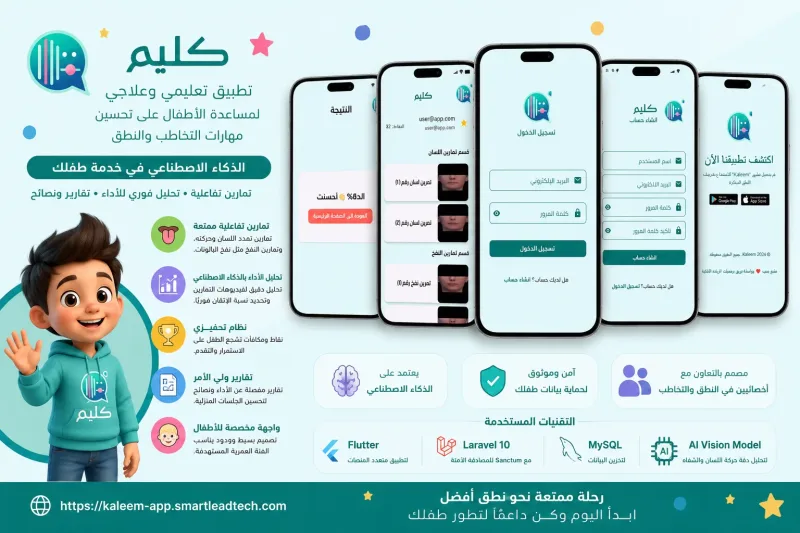
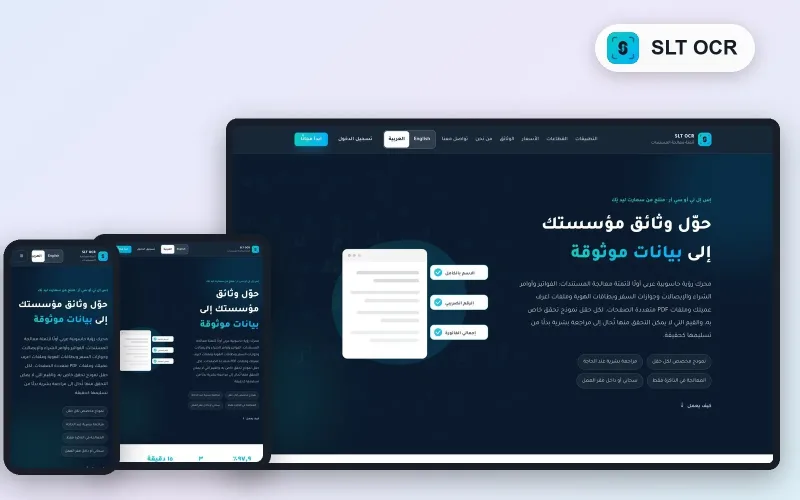
- Developing Localized AI Solutions: With Egypt's "Karnak" program and Arabic AI models, there's a unique opportunity to develop specialized solutions that speak our language and understand our cultural context. For instance, we can build advanced customer support systems or robust Arabic natural language processing tools, much like we do for platforms such as Kaleem for speech correction or SLT OCR for Arabic document data extraction.
- Expanding Cloud Infrastructure and Data Centers: Investments in data centers mean greater computing power and higher reliability. This lowers the barrier to entry for startups and makes it easier for established businesses to scale their operations.
- Focus on AI Governance and Ethics: Saudi Arabia's emphasis on ethical governance frameworks means we must design our solutions with transparency and accountability in mind from the outset.
Infrastructure and Cybersecurity Challenges: No Room for Compromise
Conversely, the news from the UAE about rethinking its massive data center project reminds us that technological expansion is not without geopolitical and security challenges. Distributing data centers, while more costly, enhances resilience and reduces single points of failure. This opens the door to increased demand for solutions in:
- Distributed Data Management: We need systems that can efficiently handle data across multiple locations while ensuring consistency and performance.
- Advanced Cybersecurity: With the emergence of models like GPT-6 Astra capable of identifying and developing zero-day exploits, cybersecurity is no longer just a feature but a critical imperative. We must adopt a DevSecOps approach and invest in defensive tools powered by AI itself, as we do with products like CyberBattleGround or Security Guard Scanner.
"AI is not just a tool for efficiency; it's a double-edged sword that demands our unwavering vigilance. Innovation without security is a recipe for disaster."
AI Agents and Conversational Interfaces: The Near Future
Google's and Microsoft's announcements confirm that AI agents will become an integral part of our daily and professional lives. The 15x growth of Microsoft 365 agents in one year indicates that businesses are rapidly adopting this technology for specialized productivity tasks. The new Gemini models, meanwhile, pave the way for smarter, more natural voice interfaces.
What does this mean for us?
- Developing Specialized Agents: We can focus on building AI agents for specific tasks within our clients' sectors, such as customer support agents in e-commerce (as in SLT WhatsApp Suite) or inventory management agents in restaurants (like TtaKkaa Kitchen).
- Enhancing Voice User Experience: Integrating Gemini 3.8 Live capabilities can make interactions with our applications smoother and more natural, especially in areas requiring speed and efficiency, such as POS systems or health applications.
- The Need for Human Oversight and Governance: With increasing agent autonomy, we must ensure robust mechanisms for human oversight and verification of AI-driven decisions, especially in critical tasks.
Practical Recommendations for CTOs and Business Owners:
In light of these rapid developments, here are some actionable steps every CTO and business owner in the region should consider:
- Invest in Local AI Infrastructure: Seize the opportunities presented by government investments in Egypt and Saudi Arabia. Consider hosting your solutions locally to benefit from better performance and compliance with local regulations.
- Develop Local Language AI Solutions: Don't settle for global models. Invest in developing or adopting AI models that understand and speak Arabic fluently to provide a superior user experience and meet regional market needs.
- Make Cybersecurity a Top Priority: With the increasing capabilities of offensive AI models, security must be an integral part of every stage of the software development lifecycle. Conduct regular security audits and invest in AI-powered threat detection tools.
- Adopt Specialized AI Agents with Caution: Start by identifying tasks where AI agents can streamline and improve your operations. But always remember the importance of human oversight and governance to ensure responsible and effective use.
- Plan for Infrastructure Resilience: As the UAE's experience showed, infrastructure plans must be flexible and adaptable to unforeseen challenges. Consider distributed or hybrid cloud solutions to enhance resilience.
2026 is indeed the "Year of AI" in the region. It is a time brimming with immense opportunities, but it also demands our vigilance and wisdom in making our technical and investment decisions. The future is not something we wait for; it is something we build today.