Government Digital Transformation and Tech Investments: A Roadmap for Business Owners in GCC & Egypt for 2027
The tech landscape in the GCC and Egypt is undergoing rapid transformations, driven by massive government investments in digitalization and AI, and a notable surge in the startup market, even as global indicators suggest…

The tech landscape in the GCC and Egypt is undergoing rapid transformations, driven by massive government investments in digitalization and AI, and a notable surge in the startup market, even as global indicators suggest caution. How can business owners and tech managers in the region capitalize on these promising opportunities while mitigating potential risks?
News of the Week
- UAE Embraces AI in Government Services: The UAE government launched the "Assistant AI Application Lab in Government Services," aiming to transition from merely providing information to autonomously executing tasks and coordinating proactive procedures (according to Al Mashhad, October 30, 2026).
- Egypt Revolutionizes Civil Registry: The public services system of Egypt's Civil Status Police witnessed a technological leap with the establishment of smart self-service machines for instant issuance of civil documents (according to Youm7, October 30, 2026).
- Saudi Startups Raise $947.2 Million: 40 Saudi startups raised $947.2 million in September 2026, representing 86% of the region's total funding, concentrated in FinTech and B2B services (according to Restart Technology quoting Wamda, October 30, 2026).
- Abu Dhabi's HUB71 Welcomes 40 New Startups: HUB71 announced the selection of 40 startups, 90% of which rely on AI as their core technology, to join its 19th cohort, the largest in its history after receiving 2,502 applications from 117 countries (according to Al Watan newspaper, October 29, 2026).
- UAE Leads GCC with 7 Unicorns: The UAE topped GCC countries with 7 out of 9 regional unicorn companies, with a total valuation of $38.5 billion (according to Al Khaleej newspaper, October 28, 2026).
- Nasdaq 100 Decline: The Nasdaq 100 index is set to lose over $2 trillion in market value during October, falling more than 5.8%, due to investor concerns about the ability of major tech companies to generate sufficient returns from massive AI investments, amidst rising funding costs (according to CNBC Arabia, October 30, 2026).
Momentum of Government Digital Transformation: Opportunities for Business Automation
News from the UAE and Egypt demonstrates a firm government commitment to digital transformation, particularly in adopting AI and self-service solutions. This trend creates a favorable environment for companies offering innovative software solutions. In the UAE, the shift towards autonomous and proactive AI-powered government services means there's increasing demand for smart automation platforms capable of coordinating complex tasks and delivering services without direct human intervention. Software companies specializing in AI can find opportunities in developing integrated systems for governments, or even building auxiliary tools for businesses to streamline their interactions with these advanced government systems.
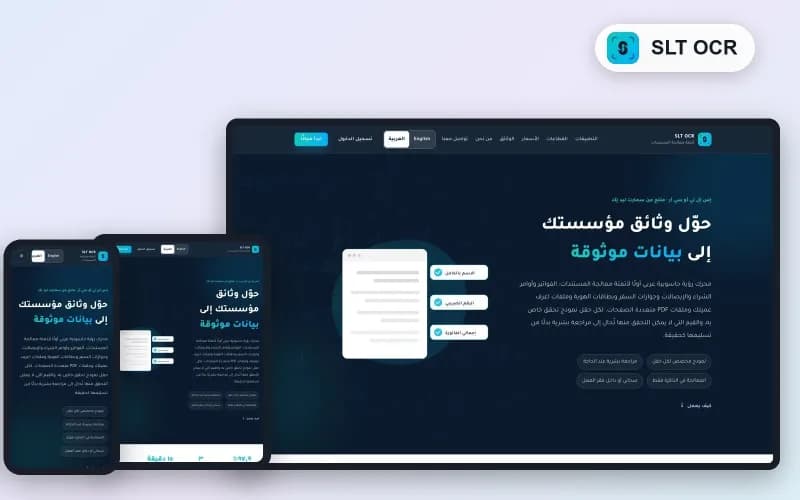
This isn't limited to the GCC; in Egypt, smart self-service machines for civil registry documents underscore a similar drive towards simplifying government procedures through technology. This model can be replicated and applied in other public and private sectors, opening doors for software companies to develop similar self-service solutions, whether physical kiosks or digital platforms. At Smart Lead Tech, we see this type of solution as the heart of innovation, exemplified by products like SLT OCR, which can automate data extraction from documents, reducing the need for human intervention and accelerating procedures.
Regional Investment Market: Where Do Opportunities Lie?
Despite global fluctuations, the startup investment market in the Arab region remains active and promising. Saudi startups alone raised $947.2 million in September 2026, a figure representing 86% of the region's total funding. This significant concentration in Saudi Arabia, coupled with the UAE leading with 7 unicorns valued at a total of $38.5 billion, indicates that the region is not merely an emerging market, but a strong hub for innovation and growth. Notably, these investments are heavily concentrated in specific sectors:
- FinTech: Continues to attract the lion's share of investments.
- Business-to-Business (B2B) Solutions: There is increasing interest in companies that provide technological services and solutions to the business sector.
- Artificial Intelligence: 90% of the new startups in HUB71 rely on AI as their core technology, emphasizing its pivotal role.
“Focusing on AI solutions that deliver tangible value to businesses is key to success in the current regional investment market.”
This trend means that software companies focusing on building AI-powered B2B solutions, or those serving the FinTech sector, have a greater chance of securing funding and growth. Products like TtaKkaa Admin Panel or SLT WhatsApp Suite from Smart Lead Tech, which offer integrated solutions for businesses, align with this trend by improving operational efficiency and automating tasks.
Global Market Challenges and Local Impact
On the other hand, global indicators cannot be ignored. The Nasdaq 100 index losing $2 trillion in market value in October, a decline of 5.8%, reflects investor concern about the ability of major tech companies to generate sufficient returns from their massive AI investments, especially with rising funding costs. This downturn could affect investor sentiment globally and regionally, calling for the adoption of business models with clear and sustainable profitability.
Furthermore, Kwai's withdrawal from Egypt and the Middle East reminds us of the dynamic and challenging nature of the consumer app market, raising questions about user data protection. For business owners, this means focusing on building products with real and sustainable value, with clear plans for profitability and growth, rather than relying solely on external funding. There must also be clear strategies for data and privacy management, especially in an evolving regulatory environment.
Practical Recommendation: Aligning Innovation with Profitability
To succeed in this changing landscape, business owners and tech managers in the GCC and Egypt must focus on strategies that combine technological innovation with sustainable profitability. Here are some recommendations:
- Target Promising Sectors: Focus on developing AI and self-service solutions for the B2B sector and government entities, particularly in FinTech, HealthTech, and Real Estate.
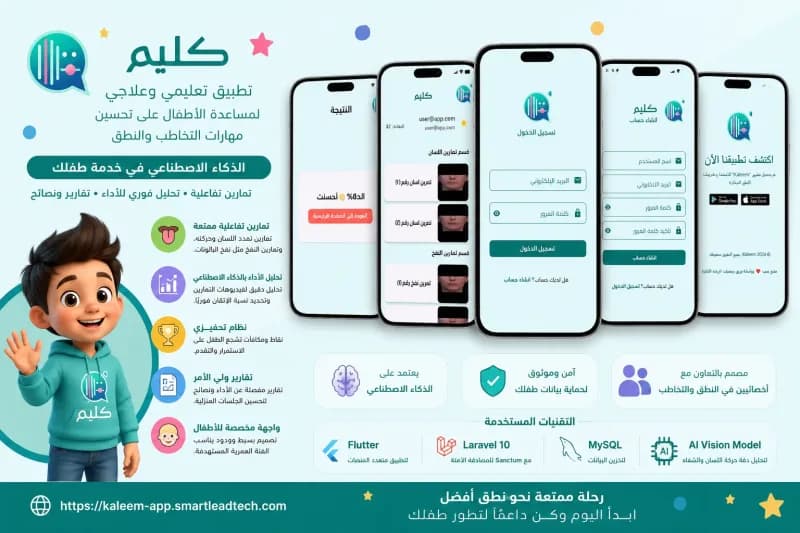
- Adopt Practical AI: Invest in AI that solves real problems and delivers clear ROI, rather than innovating for innovation's sake. For example, technologies like Kaleem in EdTech or Diabetes Vision Detector in HealthTech can provide tangible and clear value.
- Build Sustainable Business Models: Amidst global funding market fluctuations, revenue models must be clear and scalable, with a focus on operational efficiency and profitability.
- Leverage Partnerships: Collaborate with specialized software companies like Smart Lead Tech to build customized solutions that benefit from their regional expertise and advanced technologies, such as Real Estates Matcher in the real estate sector, which combines AI with local market needs.
- Security and Compliance First: With increasing reliance on technology, cybersecurity and data protection must be an integral part of the product strategy from the outset, especially when dealing with government or financial data.
The tech landscape in the GCC and Egypt is full of opportunities for growth and innovation, but success requires a strategic vision that combines a deep understanding of local and global trends with the ability to build truly valuable and sustainable technological solutions.