PropTech and TravelTech Markets: AI-Driven Growth Amidst Security Vigilance
In today's rapidly evolving economic landscape, business owners and CTOs in the GCC and Egypt find themselves at a crossroads, balancing immense growth opportunities in the PropTech and TravelTech sectors with volatile m…

In today's rapidly evolving economic landscape, business owners and CTOs in the GCC and Egypt find themselves at a crossroads, balancing immense growth opportunities in the PropTech and TravelTech sectors with volatile market conditions and increasing AI security risks. This is a story from the field that demands strategic decisions based on a deep understanding of current trends.
This Week's News
- Klook IPO Plans Withdrawn: Travel booking platform Klook Technology withdrew its plans for a U.S. IPO due to market volatility, signaling caution in global capital markets (MarketScreener via Reuters, October 16, 2026).
- Egyptian PropTech AqarExit Secures Investment: Egyptian PropTech startup AqarExit received a $200,000 investment to develop new products and expand regionally (Techpoint Africa, October 20, 2026).
- Booking Holdings Unveils AI-Powered Vayo: Booking Holdings revealed Vayo, a new AI-driven travel startup, with a planned $100 million investment to offer a neutral AI travel assistant (GeekWire, October 14, 2026).
- Saudi PropTech Market Forecast: Vyansa Intelligence reports the Saudi PropTech market is expected to reach $2.42 billion by 2033, growing at a CAGR of 17.73% (Vyansa Intelligence, October 13, 2026).
- Oracle Hospitality Invests in Direct Booking Tech: Oracle Hospitality is investing in a new direct booking engine within its OPERA Cloud platform to streamline operations for independent hotels (HOTELSMag.com, October 13, 2026).
- Tech Stocks Face Renewed Pressure: Global tech stocks are under renewed pressure ahead of major earnings reports, amidst concerns about the AI sector (Aleqaria.com.eg, October 20, 2026).
- Microsoft Warns Against Over-Trusting AI Agents: Microsoft cautioned against fully trusting AI agents within enterprises, citing potential cybersecurity and control risks (Aitnews.com, October 20, 2026).
Regional Momentum and Digital Opportunities in PropTech and TravelTech
Recent news indicates robust activity and investment flow within the PropTech and TravelTech sectors across the GCC and Egypt, particularly with the accelerating pace of digital transformation. The $200,000 investment in the Egyptian PropTech startup "AqarExit," as reported by Techpoint Africa, is not just a fleeting headline; it signals investor appetite for innovative solutions that serve the local market and aim for regional expansion, especially in the booming GCC markets.
In Saudi Arabia, the forecast that the PropTech market will reach $2.42 billion by 2033, with a compound annual growth rate (CAGR) of 17.73%, as stated by Vyansa Intelligence, confirms that this environment is highly attractive for software companies. This growth is driven by key factors such as increased home ownership, digitalization of real estate transactions, embedded finance, and artificial intelligence. This means that companies investing in developing real estate search platforms, rental management systems, digital financing solutions, or even co-investment platforms like our Mashrouk product, are on the cusp of golden opportunities.
In the travel sector, we see Booking Holdings investing $100 million in Vayo, its AI-powered startup, to provide a neutral AI travel assistant (GeekWire). Furthermore, Oracle Hospitality's investment in a new direct booking engine for independent hotels within its OPERA Cloud platform (HOTELSMag.com) underscores the importance of integrated solutions that reduce reliance on intermediaries. These developments open the door for Arab software companies to develop integrated booking solutions or comprehensive tourism platforms for GCC countries, similar to our Fly-Fly product, with a focus on user experience and operational efficiency.
AI: A Driving Force with Security Challenges
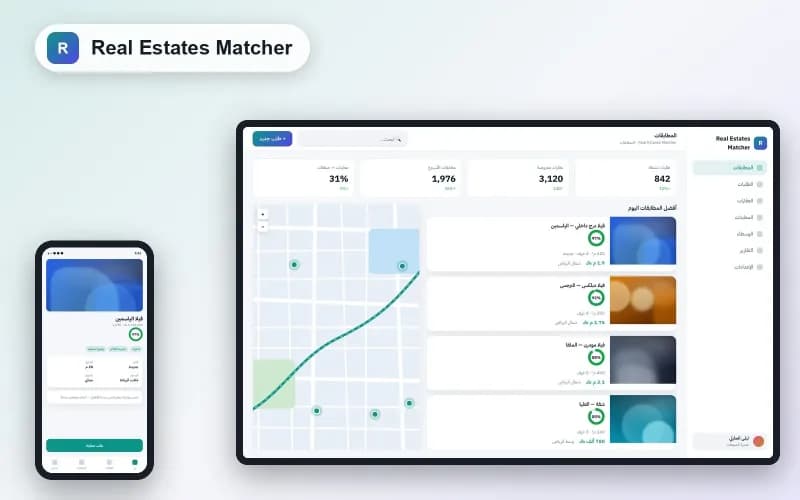
We cannot discuss growth in these sectors without highlighting the pivotal role of artificial intelligence. It's not just a buzzword; it's a real driver of innovation and efficiency. In platforms like Real Estates Matcher, AI can accurately match desired and available properties, saving immense time and effort. In the travel sector, AI agents can radically enhance customer experience, from personalized recommendations to booking management.
However, with all these opportunities come significant challenges. Microsoft's warning against fully trusting AI agents within enterprises (Aitnews.com) is a crucial wake-up call. These risks relate to cybersecurity and control, requiring business owners and CTOs to adopt a cautious and deliberate approach to AI integration. The priority must be to build secure and reliable AI systems, with clear human verification mechanisms to ensure the accuracy and safety of outputs, especially in sensitive applications such as property management or payment processing.
"Investing in AI is not just about adopting technology; it's a commitment to building intelligent, secure systems that protect customer data and ensure operational accuracy. Balancing innovation with security vigilance is key to success in this phase."
Global Market Volatility: A Call for Strategic Planning
While regional growth opportunities beckon, we cannot ignore global signals that urge caution. Klook's withdrawal of its IPO plans (MarketScreener) and the pressure on tech stocks (Aleqaria.com.eg) remind us that the global investment climate remains volatile. This means startups and software companies in the region must plan their expansions and funding with extreme care, focusing on building sustainable and resilient business models.
Practical Decisions for Business Owners and CTOs
In light of these developments, here are some practical recommendations:
- Invest in Secure AI Solutions: When integrating AI into your real estate or travel products (such as Real Estates Matcher or Fly-Fly), prioritize security and control. Implement human verification mechanisms and regularly audit your AI models to ensure accuracy and customer data safety.
- Focus on Integration and Efficiency: In the real estate and travel sectors, there's a growing demand for integrated solutions that streamline operations and reduce reliance on intermediaries. Consider developing comprehensive platforms, such as integrated property management systems or direct booking solutions for hotels, that provide genuine added value to your clients.
- Capitalize on Regional Opportunities: The PropTech market in Saudi Arabia and Egypt is growing rapidly. Explore expansion opportunities in these markets, whether through developing new products or adapting existing ones to meet local needs. Products like Mashrouk (a real estate co-investment platform) can find fertile ground in these environments.
- Monitor Global Capital Markets with Caution: Despite local opportunities, global capital market volatility can affect funding prospects. Building a strong, sustainable business model with a clear funding plan will help your company navigate any potential challenges.
The current landscape presents a unique opportunity for software companies in the GCC and Egypt to lead innovation in the PropTech and TravelTech sectors. However, success in this era requires more than just technology adoption; it demands a strategic vision that combines bold innovation with vigilant risk management.