AI in 2026: An Executive Checklist for Accelerated Adoption and Secure Infrastructure
2026 is witnessing an unprecedented acceleration in AI adoption across the GCC and Egypt, driven by massive investments and clear governmental directives. However, this momentum is not without its challenges, particularl…

2026 is witnessing an unprecedented acceleration in AI adoption across the GCC and Egypt, driven by massive investments and clear governmental directives. However, this momentum is not without its challenges, particularly in translating promises into practical solutions, building the necessary infrastructure, and securing systems against increasing risks. For executives and technical managers in the region, the question is no longer if AI should be adopted, but how to do so effectively and securely.
News of the Week
- The Egyptian technology sector, at the "Techne Alexandria 2026" summit, emphasized the need to transform AI from mere hype into practical products and services, focusing on sectors such as healthcare, education, fintech, agriculture, and public services, according to Arageek.
- Saudi Arabia declared 2026 the "Year of AI," warning companies that delaying AI integration into their business models would leave them behind, as reported by Arab News.
- MIS, an architectural information systems company, received a $500 million work order from HUMAIN, a PIF-owned AI company, to develop AI data centers in Saudi Arabia. This is part of a larger $2.3 billion agreement to expand capacity to 250 MW, highlighting the role of local companies in building massive AI infrastructure, according to Middle East AI News.
- AI adoption among UAE companies reached 72% in 2026, and Microsoft plans to invest over $10 billion in the GCC until 2030, focusing on cloud infrastructure, AI, and digital resilience, reported by Middle East AI News and Reuters.
- Google unveiled Gemini 4 Argon, a flagship AI model focused on cybersecurity, demonstrating strong performance in cybersecurity tests, according to Prompt Injection.
- Apple plans to impose stricter controls on "Full Disk Access" in macOS due to security risks posed by AI agents, as highlighted by Digital Applied.
The Year of AI: Accelerating Adoption and Implementation Challenges
Recent news confirms that AI is no longer a luxury but a strategic imperative for businesses in the GCC and Egypt. Saudi Arabia's declaration of 2026 as the "Year of AI" serves as an explicit call for companies to integrate this technology, with a clear warning about the consequences of delay, according to Arab News. This aligns with the high adoption rate in the UAE, reaching 72% in 2026, indicating the region's rapid progression towards an AI-powered future, as per Middle East AI News.
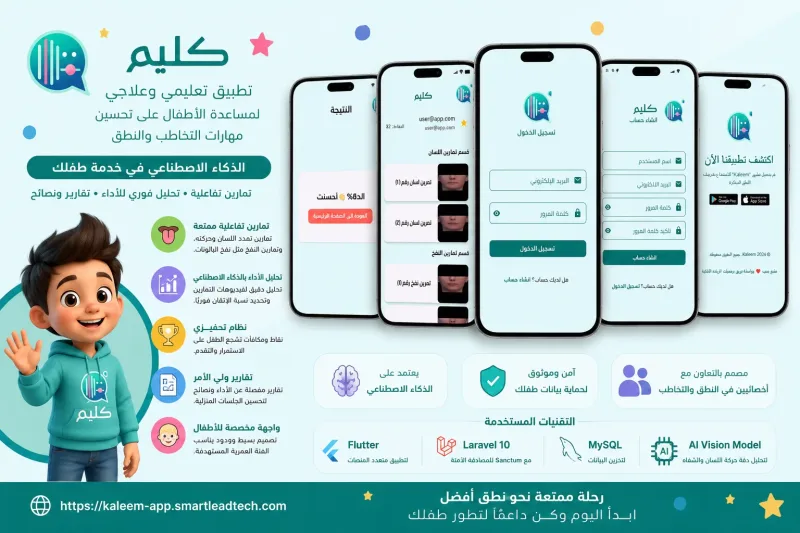
However, rapid adoption alone is insufficient. Egypt is focusing on transforming AI into practical products and services in vital sectors such as healthcare, education, and fintech, as per Arageek. This requires more than simply integrating off-the-shelf tools; it demands a deep understanding of local needs and the development of specialized solutions. This is where Arab software companies like Smart Lead Tech come in, capable of delivering bespoke AI-powered solutions in platforms such as Kaleem (AI-powered speech therapy) or Diabetes Vision Detector (diabetic retinopathy screening).
"Delaying AI integration into their business models would leave them behind."
— Arab News, quoting the First Economic Forum in Saudi Arabia 2026
Building Computational Power: The Foundation of Innovation
The significant leap in AI data center infrastructure in Saudi Arabia, with a $500 million work order for MIS from HUMAIN, part of a $2.3 billion agreement to provide 250 MW of capacity, according to Middle East AI News, represents a qualitative shift. This massive investment, alongside Microsoft's $10 billion investment in cloud and AI infrastructure in the GCC until 2030, as per Middle East AI News and Reuters, will provide the immense computational power required to run complex AI applications. This opens the door for software companies to develop solutions demanding high computing resources, such as big data analytics systems or advanced natural language processing.
Cybersecurity and Privacy: The Challenges of AI Agents
As reliance on AI grows, so do security risks. Google's launch of the Gemini 4 Argon model, with its focus on cybersecurity, according to Prompt Injection, reflects this increasing concern. Concurrently, Apple plans to tighten controls on Full Disk Access in macOS due to AI agent security risks that could compromise user data, as reported by Digital Applied. This underscores the urgent need to integrate security and privacy at the core of AI solution design.
Executive Checklist for the AI Era 2026:
- Identify Practical Opportunities: Has your organization identified specific sectors (e.g., healthcare, education, fintech) where AI can deliver tangible value and be transformed into practical products and services, mirroring Egypt's call?
- Assess Adoption Readiness: Have you evaluated your organization's readiness to integrate AI? Do you have a clear strategy to move swiftly, avoiding being left behind as Saudi Arabia warned?
- Leverage Infrastructure: How will your organization benefit from the massive investments in AI data centers and cloud infrastructure in the region (e.g., HUMAIN and Microsoft investments)? Are you planning to utilize these computational capabilities to power your complex applications?
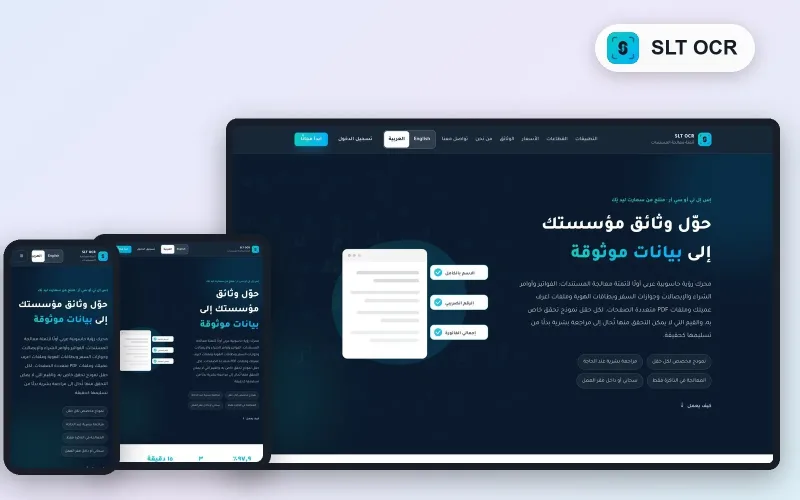
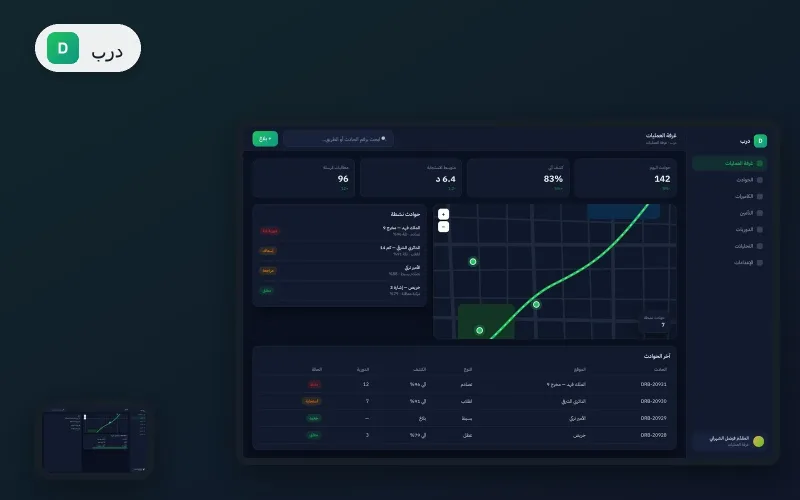
- Secure AI Agents: What measures are you taking to ensure the security and privacy of user data when integrating AI agents? Are you aware of stricter controls like those imposed by Apple? Your solutions, such as SLT OCR or AI-powered passenger management systems, must be designed with security in mind.
- Build In-house Capabilities or Partner: Do you have the technical team required to develop specialized AI solutions, or do you need to partner with expert software companies like Smart Lead Tech to leverage their expertise in building scalable and secure solutions?
Next Steps: Balancing Innovation with Caution
The current AI landscape in the region offers immense opportunities for innovation and growth but also demands a strategic and thoughtful approach. Executives and technical managers must balance the desire for accelerated adoption with the necessity of building a solid foundation of secure infrastructure and practical applications. Investing in cybersecurity from the outset, leveraging increasing computational capabilities, and focusing on solutions that address real market needs are keys to success in this "Year of AI" and beyond.
Arab software companies like Smart Lead Tech can be strategic partners in this journey, providing expertise in building customized, secure AI solutions that align with regional and international aspirations.