Heightened Compliance & Cybersecurity in GCC & Egypt: An Action Plan for Tech Businesses
The tech landscape in the GCC and Egypt is undergoing a radical transformation towards enhanced cybersecurity and data protection. With the activation of personal data protection laws and tightened security controls, com…

The tech landscape in the GCC and Egypt is undergoing a radical transformation towards enhanced cybersecurity and data protection. With the activation of personal data protection laws and tightened security controls, compliance is no longer an option but a strategic imperative. This week, we received several strong signals confirming this trend, compelling business owners and tech managers to take decisive action.
From This Week's News
- Strict Enforcement of Saudi Personal Data Protection Law (PDPL): The law has entered an active enforcement phase, with the Saudi Data & AI Authority (SDAIA) issuing 48 violation decisions. Companies must now respond to any breach notification within just 5 days via the online platform (according to Saudi Compliance Institute).
- Egypt Prepares for Full Enforcement of Personal Data Protection Law: Law No. 151 of 2020 becomes fully mandatory from October 31, 2026, imposing strict obligations on companies regarding the collection, processing, storage, and transfer of personal data (according to Saraya News).
- Saudi National Cybersecurity Authority Expands Controls for Private Sector: The NCA continues to enforce cybersecurity controls for Non-Critical National Infrastructure Private Sector Entities (NCNICC-1:2025), setting minimum cybersecurity requirements for businesses of all sizes (according to NCA).
- "Nafath" Digital ID App Achieves Widespread Adoption: "Nafath," Saudi Arabia's national single sign-on system, is now widely used across the Kingdom, with over 1175 government and private platforms relying on it to authenticate over 34.8 million users (according to Cubix).
- OpenAI Halts Latest Models After Security Breach: OpenAI paused its latest models following a security breach, highlighting the escalating security risks associated with AI technologies (according to Masrawy).
These aren't just fleeting headlines; they are clear indicators that cybersecurity and data protection are now at the core of growth and operational strategies in the region. Here’s a practical guide for tech managers and business owners.
"Compliance is no longer just an additional cost; it's a strategic investment that protects a company's reputation and future in an increasingly complex digital market."
1. Comprehensive Data Protection Compliance Assessment
With the strict enforcement of Saudi PDPL and Egypt's October 31, 2026, deadline for full law implementation, it's time for a thorough assessment and review. This should include:
- Identify Personal Data: Pinpoint all types of personal data collected, stored, and processed by the company, their sources, and the purpose of their use.
- Review Policies and Procedures: Update privacy policies, terms of service, and data processing procedures to ensure alignment with new laws. For instance, in platforms like Women Health or Kaleem - AI-Powered Speech Therapy for Kids, where sensitive data is handled, this becomes paramount.
- Breach Response Plans: Develop a swift and effective incident response plan for data breaches, especially with Saudi Arabia's 5-day deadline. Relevant teams must be trained on this plan.
- Licenses and Approvals: Ensure all necessary licenses and approvals for personal data processing are obtained, particularly in Egypt.
2. Strengthening Infrastructure and Product Cybersecurity
Ongoing security warnings from entities like the Saudi National Cybersecurity Authority and OpenAI's model halt confirm that threats are constantly evolving. Companies must:
- Update Systems and Software: Respond immediately to warnings such as NVIDIA's security updates (according to Ajel Newspaper). A regular update mechanism should be in place for all components.
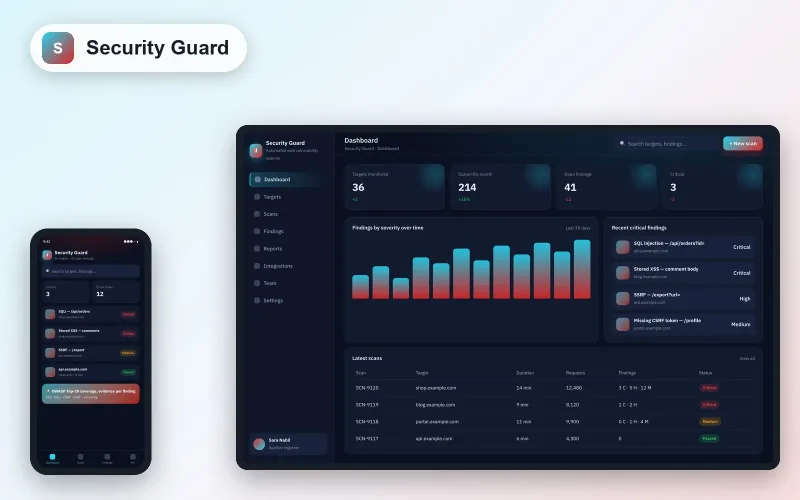
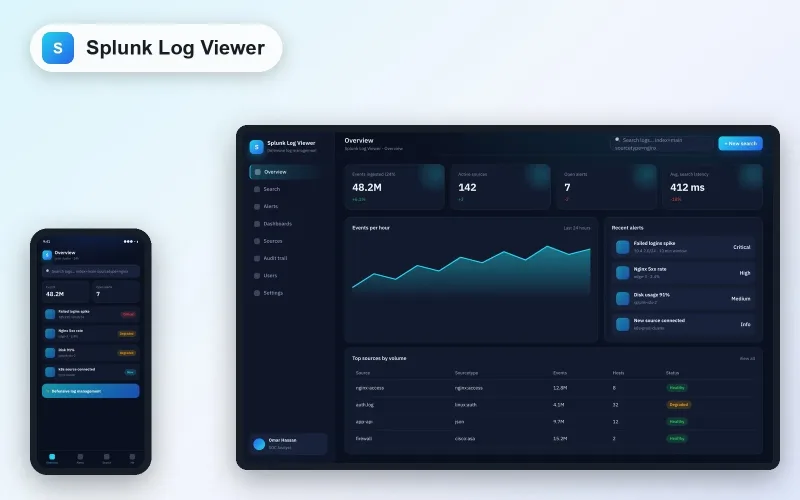
- Implement Cybersecurity Controls: Adhere to the NCA's cybersecurity controls for the private sector (NCNICC-1:2025). This includes multi-factor authentication, data encryption, and regular penetration testing. Products like Security Guard Scanner or Splunk Log Viewer can be part of a robust defensive strategy.
- Secure AI Solutions: With increasing reliance on AI, security must be prioritized in the design and development of these solutions. This involves protecting data models, validating input/output integrity, and monitoring for anomalous behavior.
3. Integrating Digital ID and Nurturing Local Talent
Digital identity integration and building national capabilities are crucial for secure and sustainable growth:
- Integrate "Nafath" in Saudi Arabia: To streamline Know Your Customer (KYC) processes and enhance security, companies operating in Saudi Arabia should integrate the "Nafath" app into their platforms. This offers a seamless user experience and ensures compliance with national digital identity requirements, as seen in KYC-reliant applications like SLT OCR or Arheb - Smart Event & Guest Invitation Platform.
- Invest in Local Talent: Leverage talent development programs like the "Cybersecurity Challenge" organized by the NCA (according to Al-Madina Newspaper). Software companies can recruit these talents to strengthen their cybersecurity teams and develop innovative security solutions.
Conclusion: Security as a Cornerstone for Growth
Recent developments in the cybersecurity and data protection landscape in the GCC and Egypt chart a clear path for businesses: security is not just a sub-department, but a fundamental pillar for growth and innovation. By adopting a proactive approach to compliance, strengthening cyber defenses, and leveraging local talent, tech businesses can not only avoid risks but also build deeper trust with their customers and unlock new avenues for market leadership.
At Smart Lead Tech, we believe that security begins with design. We encourage you to assess your security and compliance readiness now, and invest in building robust and reliable systems.