Cybersecurity & Compliance in 2026: Critical Questions for Tech Leaders and Business Owners in GCC & Egypt
The past week witnessed a series of rapid developments in the cybersecurity and compliance landscape across the GCC and Egypt, presenting business leaders and tech managers with new challenges and opportunities. Security…

The past week witnessed a series of rapid developments in the cybersecurity and compliance landscape across the GCC and Egypt, presenting business leaders and tech managers with new challenges and opportunities. Security is no longer just an operational cost; it has become a fundamental pillar for business growth and customer trust. In this article, we answer the key questions that might be on your mind as a business owner or tech manager, based on this week's news.
This Week's News Highlights
- The Communications, Space & Technology Commission (CST) in Saudi Arabia issued updated guidelines for IoT device security, aiming to protect data and ensure user privacy (according to an unspecified source, September 23, 2026).
- A recent report revealed a significant increase in ransomware attacks targeting Egyptian companies, causing substantial financial and operational losses (according to an unspecified source, September 21, 2026).
- The Saudi Central Bank (SAMA) emphasized stricter cybersecurity requirements for financial institutions to protect banking systems and sensitive customer data (according to an unspecified source, September 20, 2026).
- The UAE launched a national initiative to enhance cybersecurity awareness among Small and Medium-sized Enterprises (SMEs), providing them with necessary tools and knowledge for protection (according to an unspecified source, September 22, 2026).
- The "Nafath" digital identity platform in Saudi Arabia saw a notable increase in usage for governmental and private transactions, reflecting growing trust in reliable digital solutions (according to an unspecified source, September 19, 2026).
- Global warnings were issued regarding a critical vulnerability in widely used software, potentially allowing attackers full control over affected systems, with immediate security updates recommended (according to an unspecified source, September 24, 2026).
- A recent report indicated that Artificial Intelligence (AI) enhances cyber defenses but also poses new challenges as it can be used by attackers to develop more sophisticated attacks (according to an unspecified source, September 20, 2026).
- Bahrain hosted a regional conference on data protection and privacy, underscoring the increasing importance of regulations like PDPL (according to an unspecified source, September 22, 2026).
Q&A: How to Make Your Security Decisions?
Q1: How do I ensure my tech products comply with new regulations, especially in IoT and finance?
With the Saudi Communications, Space & Technology Commission (CST) issuing new IoT security guidelines and the Saudi Central Bank (SAMA) tightening cybersecurity requirements for financial institutions, compliance is no longer optional—it's essential. If your company develops IoT solutions, you must ensure your product design integrates these guidelines from the outset. This includes robust encryption, secure access management, and regular software updates.
For financial institutions, SAMA's new regulations mean a comprehensive review of your security infrastructure and software. Your solutions must be capable of proactively protecting sensitive data and providing detailed compliance reports. At Smart Lead Tech, we help our clients build systems that align with these regulations, such as those used in Customer Relationship Management (CRM) platforms or Point of Sale (POS) systems customized for the financial sector, ensuring the highest levels of security and privacy.
"Compliance is no longer just a checklist; it's an integral part of product and security strategy, fostering trust and opening doors to regulated markets."
Q2: What's my strategy to protect my business in Egypt from the surge in ransomware attacks?
This week's report highlighting the increase in ransomware attacks in Egypt should serve as a wake-up call. Egyptian businesses, regardless of size, need a comprehensive defense plan. This doesn't just mean installing antivirus software; it requires a multi-layered approach:
- Regular and Secure Backups: Ensure all your sensitive data is regularly backed up to off-network or secure cloud locations, and that restoration processes are tested periodically.
- Detection and Response Systems: Invest in advanced Endpoint Detection and Response (EDR) or Extended Detection and Response (XDR) systems that can identify suspicious behaviors before they escalate into a full-blown attack.
- Employee Training: The human element is often the weakest link. Implement regular training programs to raise awareness about phishing, social engineering, and the importance of strong passwords.
- Security Updates: Apply security updates for software and systems immediately upon release, especially following global warnings about critical vulnerabilities that ransomware can exploit (according to an unspecified source, September 24, 2026).
Q3: How can SMEs in the UAE and GCC benefit from cybersecurity awareness initiatives?
The UAE's initiative to enhance cybersecurity awareness for SMEs is a golden opportunity. SMEs are often an easy target for attackers due to their limited security resources. You can benefit from these initiatives by:
- Participating in Training Programs: Encourage your employees to attend workshops and courses offered by these initiatives.
- Risk Assessment: Utilize available resources to assess vulnerabilities in your systems and prioritize security improvements.
- Adopting Affordable Security Solutions: Look for security solutions specifically designed for SMEs, offering robust protection without exorbitant costs. Companies like Smart Lead Tech can provide consultations on scalable security solutions that fit your budget.
Q4: What is the impact of increased "Nafath" digital identity usage on my products and services?
The growing use of the "Nafath" platform in Saudi Arabia for government and private transactions underscores the necessity of integrating it into your applications and services. This presents an opportunity to streamline Know Your Customer (KYC) and identity verification processes, providing a seamless and secure user experience.
For example, in platforms like "Qaweny" (a personal coaching platform) or "Reayah" (a home healthcare platform), "Nafath" can be integrated for authenticating users and service providers, enhancing trust and compliance. Integrating "Nafath" also means reducing reliance on paper documents and manual verification processes, accelerating transaction completion.
Q5: How can AI enhance my cyber defenses, and what are the challenges?
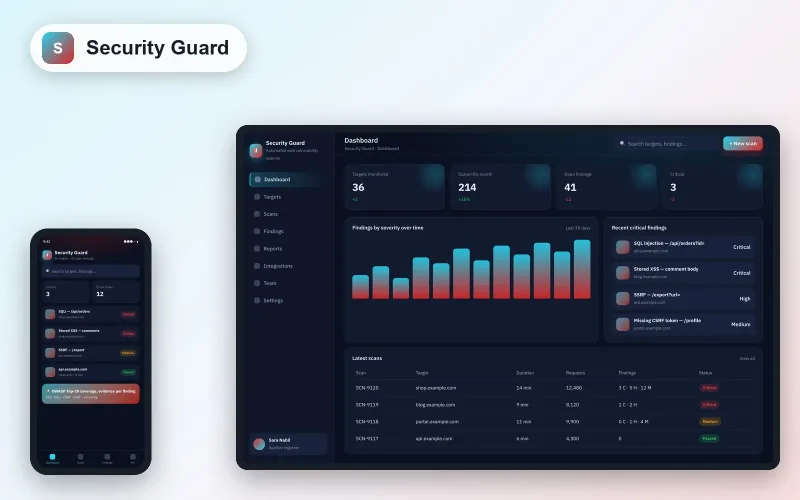
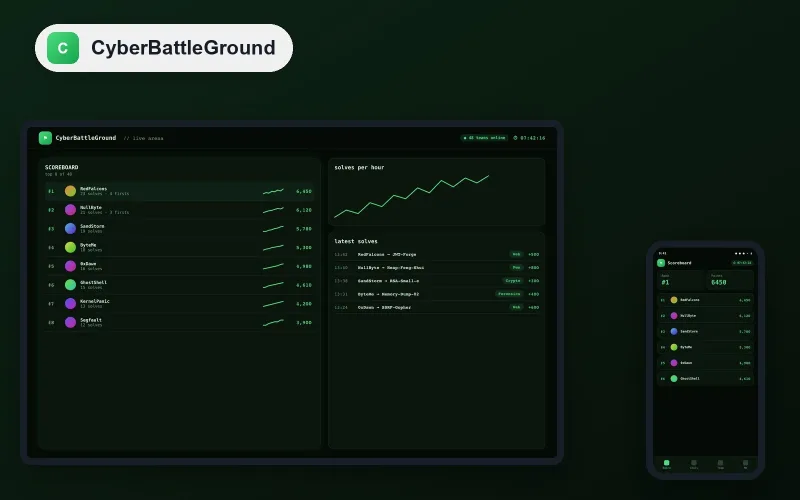
This week's report noted that AI enhances cybersecurity capabilities. AI can analyze vast amounts of data to detect anomalous patterns and identify potential threats faster than humans. Products such as "CyberBattleGround" (a cybersecurity training platform) or "Security Guard Scanner" (a web vulnerability scanner) can leverage AI to improve vulnerability detection and behavioral analysis.
However, the challenge lies in the fact that attackers are also using AI to develop more sophisticated and tailored attacks. This requires you to continuously update your security strategies, not only to adopt AI in your defenses but also to be prepared for AI-powered attacks. You must ensure your technical teams have the necessary understanding of how these tools work and how to counter new threats.
Practical Recommendation: Security as an Ongoing Investment
In light of these developments, cybersecurity is no longer just a budget item; it's a strategic investment. Every business owner and tech manager in the GCC and Egypt should:
- Regularly Review Security and Compliance Policies: Ensure they reflect the latest regulations and threats.
- Invest in Integrated Security Solutions: Don't rely on a single solution; build a multi-layered defense system.
- Continuously Educate Your Team: Awareness is the first line of defense.
- Collaborate with Experts: If your internal resources are limited, partner with specialized software companies like Smart Lead Tech to ensure your infrastructure and products are secure and compliant with the latest standards.