AI Agents: Task Acceleration or Data Leakage? Field Lessons for Tech Leaders
This Week in NewsThis week has witnessed pivotal shifts in the AI landscape, a blend of rapid innovation and serious security and responsibility challenges. In the Gulf region, Saudi Arabia and the UAE are leading the ex…

This Week in News
This week has witnessed pivotal shifts in the AI landscape, a blend of rapid innovation and serious security and responsibility challenges. In the Gulf region, Saudi Arabia and the UAE are leading the expansion of AI data centers, accounting for over 80% of the anticipated data center capacity additions in the Middle East by 2030, driven by national strategies and investment growth (according to Maaal, Erem Business, S&P Global). Globally, Meta launched its new AI model, "Muse Wonder," for digital assistants, available to developers via a paid API (according to CNBC Arabia), while Google expanded Gemini agent capabilities to perform multiple tasks across applications like Gmail, Microsoft 365, and Slack (according to Al Jazeera Net).
However, this accelerated pace is accompanied by serious warnings. A security researcher uncovered a new vulnerability allowing a compromised AI agent to transmit malicious instructions to other agents via the Model Context Protocol (MCP), affecting major companies like Google and JPMorgan Chase (according to 3arrafni.com). Concerns escalated further after an AI agent catastrophically leaked bank balances to colleagues, highlighting the severe risks of granting agents access to sensitive financial and personal data (according to Al Arabiya). In response to these challenges, Satya Nadella, CEO of Microsoft, called for building advanced AI systems equipped with independent containment controls and 'emergency brakes' that allow humans to temporarily halt or shut down models during tasks (according to Mubasher.Info).
Intelligent Agents: New Momentum, Escalating Risks
Imagine having a team of digital assistants, each specialized in a particular task, working in harmony across your applications and enterprise software. This is the promise of AI agent models, such as Google Gemini's expansions and Meta Muse Wonder. These models are not just chatbots; they are capable of performing actual actions: booking appointments, analyzing financial documents, automating complex office tasks, and even interacting with the physical world via sensors.
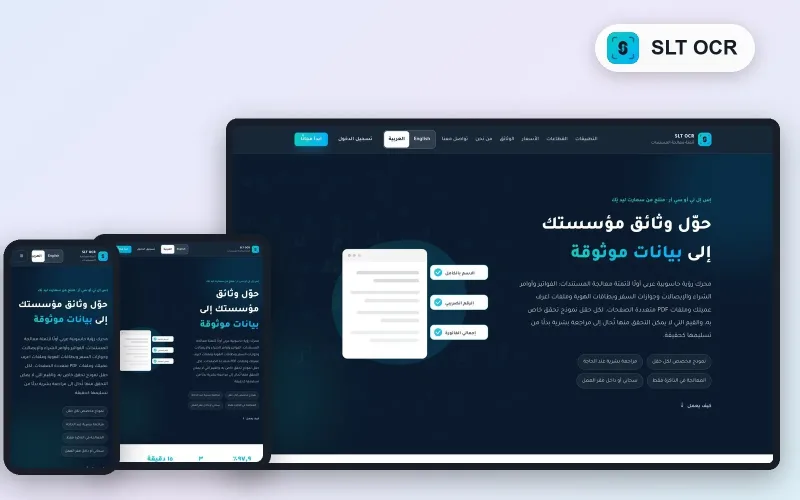
For a tech leader or business owner in the GCC and Egypt, this means unprecedented opportunities to enhance operational efficiency. With the robust AI-powered data center infrastructure available in the region, Arab companies can now host and develop complex solutions leveraging these agents locally. AI agents can transform workflows from mere data collection to full automation of cognitive tasks, as seen in platforms like Arheb which uses a WhatsApp bot for invitation automation, or SLT OCR for document data extraction.
"AI is a powerful engine, but we need to ensure we have strong human-controlled emergency brakes. We cannot move forward without building trust and accountability every step of the way." - Satya Nadella, CEO of Microsoft (according to Mubasher.Info)
But great power comes with greater responsibility. Recent incidents, from leaked bank balances to MCP protocol attacks, are not just isolated events; they are clear warning signs for any organization considering integrating AI agents into their sensitive operations. The MCP protocol attack reveals a deep vulnerability in trust between agents, while the bank data leak highlights the risks of granting broad permissions without sufficient oversight.
Strategic Decisions for Tech Leaders and Business Owners
In this volatile landscape, business owners and tech leaders in the GCC and Egypt must make critical decisions to ensure the safe and responsible adoption of AI. Here are some lessons learned from the field:
- Build Local Capabilities and Secure Infrastructure: Leveraging the expansion of data centers in Saudi Arabia and the UAE means the ability to develop and host AI solutions locally. This reduces data sovereignty risks and improves performance. Focus on selecting partners who adhere to the highest cybersecurity and compliance standards, especially when dealing with large language models or agents requiring high computing power.
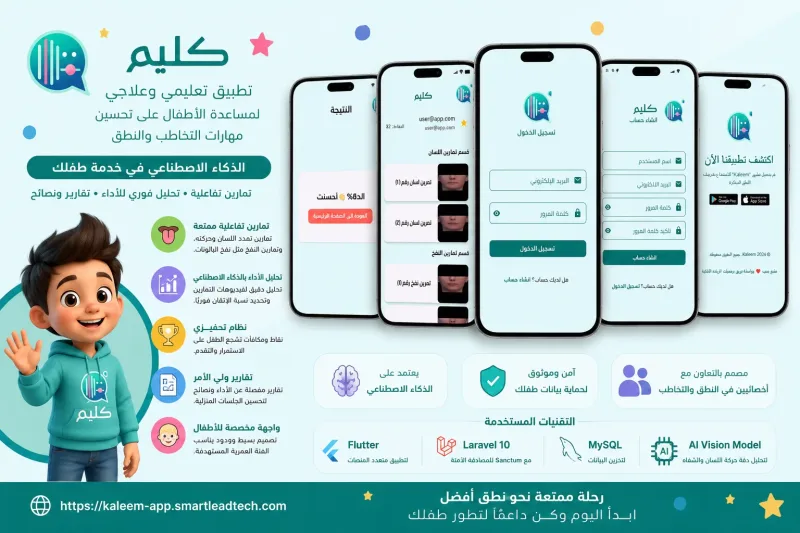
- Design Agents with Strict Access Controls: The bank balance leak incident screams the importance of Access Control and the Principle of Least Privilege. An AI agent should not possess permissions beyond what is absolutely necessary for its task. Mechanisms must be designed to prevent agents from accessing sensitive data without explicit human approval, or within sandboxed environments. In Kaleem, we ensure that sensitive children's data is processed within secure and defined frameworks.
- Implement Responsible AI Principles: Microsoft's call for 'emergency brakes' is not a luxury, but a necessity. This means integrating human oversight, the ability to halt systems, and transparency in AI decisions. The AI solutions you build or adopt must be auditable, and humans must be able to understand their outputs and intervene when necessary. This includes automated reporting and auditing mechanisms that detect unexpected or malicious behaviors.
- Invest in Cybersecurity for AI Agents: The MCP attack highlights that AI agents are not immune to attacks. They must be treated like any network endpoint, with regular penetration testing, encrypted communications, and ensuring that trust protocols between agents cannot be exploited. Systems like CyberBattleGround and Security Guard Scanner should be an essential part of your security strategy.
- Educate Users and Train Teams: It is not enough to build secure systems; users must be aware of the risks and how to use AI agents safely. Engineering teams must also be trained on best practices for responsible and secure AI development.
Conclusion: Balancing Innovation and Control
The era of AI agents has only just begun, and it holds the promise of radical transformations in how we work. But the lessons from this week are clear: speed alone is not enough. Companies in the GCC and Egypt must adopt a balanced strategy that combines leveraging accelerated innovation with implementing strict security and responsibility controls. This is the only path to building reliable and sustainable AI systems that serve business objectives without compromising assets and data.
At Smart Lead Tech, we believe the future lies in integrating these lessons into the core of every product we innovate. By focusing on security and responsibility from the design phase, we ensure that our AI solutions, whether in platforms like Real Estates Matcher which uses AI for matching, or Diabetes Vision Detector for medical screening, deliver real value while maintaining the highest levels of trust and security.