E-commerce in GCC & Egypt: Critical Decisions for Tech Leaders and Business Owners Facing 2027 Challenges
The past week witnessed a series of pivotal developments in the e-commerce and logistics landscape across the GCC and Egypt, solidifying the urgent need for companies to adapt rapidly and embrace smart technologies. At S…

The past week witnessed a series of pivotal developments in the e-commerce and logistics landscape across the GCC and Egypt, solidifying the urgent need for companies to adapt rapidly and embrace smart technologies. At Smart Lead Tech, we believe that understanding these transformations is the first step towards making informed technical and strategic decisions. In this article, we answer hypothetical questions from our clients, offering practical insights into navigating this evolving environment.
This Week's News Highlights
- Accelerated Digital Payments Growth in KSA: Reports on October 16, 2026, confirmed the continued strong growth in online digital payment adoption in Saudi Arabia, driven by increased consumer confidence and the availability of diverse payment solutions (Source).
- Global Supply Chain Challenges Impact GCC: Global logistical challenges, such as rising shipping costs and container shortages, continue to cast a shadow over supply chains in the GCC region, affecting product availability and prices, according to reports from October 15, 2026 (Source).
- "White Friday" Preparations in Egypt: E-commerce stores and retailers in Egypt have begun intensive preparations for the upcoming "White Friday" sales season, with expectations of a significant increase in sales volume, as per reports on October 14, 2026 (Source).
- New Investment in Last-Mile Delivery in Riyadh: A venture capital firm announced on October 17, 2026, a significant investment in a Riyadh-based last-mile delivery startup, reflecting confidence in the rapid growth of the express delivery sector (Source).
- AI Enhances Personalized Shopping Experience in GCC: Leading e-commerce stores in the GCC region are increasingly adopting AI technologies to improve the shopping experience through personalized product recommendations and virtual assistants, according to reports from October 13, 2026 (Source).
- Cybersecurity Partnership in Egypt: An Egyptian governmental entity entered into a strategic partnership with a global cybersecurity company on October 18, 2026, to enhance data and transaction protection in the growing e-commerce sector (Source).
Q: How can my company keep pace with the growth of digital payments in Saudi Arabia and Egypt?
A: The accelerated growth of digital payments in Saudi Arabia, confirmed by October 16, 2026 reports, signals an irreversible shift towards cashless transactions. For your company, this means an urgent need to integrate multiple digital payment gateways, not just to meet customer preferences, but to increase conversion rates. Your tech manager should ensure your platform supports:
- Digital Wallets: Such as Apple Pay, Mada Pay, and other local and regional wallets.
- Credit and Debit Cards: With secure tokenization options for recurring purchases.
- Instant Transfers: In some markets, direct transfers remain a preferred option for certain segments.
- Installment Payment Options: Like "Buy Now, Pay Later" (BNPL), which is gaining significant popularity in the region.
On platforms like SLT E-Commerce or Flore, we focus on providing seamless integrations with leading payment service providers, ensuring the highest security and compliance standards.
Q: What are the technical strategies to mitigate global supply chain challenges?
A: Supply chain challenges, as highlighted by October 15, 2026 reports, are a reality that must be dealt with intelligently. We cannot control global shipping costs or container shortages, but we can improve our responsiveness. This is where software solutions come in:
- Advanced Inventory Management Systems (IMS): Real-time inventory tracking and automatic alerts for low stock levels.
- Demand Forecasting Analytics: Using historical data and AI to predict future demand and prevent shortages.
- Supplier Relationship Management (SRM): Platforms to streamline communication with multiple suppliers, compare prices, and diversify sourcing.
- Shipping Carrier Integration: Seamless integration with several logistics providers for last-mile delivery, especially with new investments in this sector in Riyadh, as reported on October 17, 2026. At Massafat, we offer solutions for efficient shipping management and order tracking.
"In the rapidly changing world of e-commerce, innovation is no longer a luxury, but a necessity for survival and growth. From digital payments to AI and cybersecurity, every transformation represents an opportunity for companies that embrace it intelligently."
Q: How can I prepare for peak seasons like "White Friday" while ensuring platform stability?
A: "White Friday" preparations in Egypt, according to October 14, 2026 reports, are an annual reminder of the importance of robust infrastructure. To ensure your platform's stability and provide a seamless shopping experience:
- Cloud Scalability: Ensure your platform's infrastructure is built on cloud solutions that can automatically scale to handle sudden surges in traffic.
- Performance Optimization: Improve page loading speed, compress images, and utilize Content Delivery Networks (CDNs).
- Stress Testing: Conduct extensive platform testing before peak seasons to simulate high traffic and identify bottlenecks.
- Inventory and Promotion Management: Use systems like TtaKkaa Store Dashboard to effectively manage inventory and promotions, updating them in real-time to avoid selling unavailable products.
Q: What is the role of AI and AR in enhancing the shopping experience?
A: The adoption of AI technologies by GCC e-commerce stores, as reported on October 13, 2026, and the global integration of Augmented Reality (AR), according to October 16, 2026 reports, represent a qualitative leap in customer experience. Your company should consider:
- Personalized Recommendation Engines: Using AI to analyze customer behavior and provide tailored product recommendations, increasing conversion rates.
- Smart Chatbots and Virtual Assistants: To improve customer service, answer inquiries, and provide 24/7 support.
- Augmented Reality (AR): To enable customers to preview products (such as furniture or clothing) in their real environment before purchasing, reducing return rates and increasing confidence. This can be a strong competitive advantage for products like Flore.
Q: How can I ensure cybersecurity for my platform amidst increasing threats?
A: The strategic partnership to enhance cybersecurity in the Egyptian e-commerce sector, as reported on October 18, 2026, confirms that security is not an option but an absolute necessity. For a tech manager, this means:
- Regular Security Updates: Ensuring all systems and software are regularly updated to patch security vulnerabilities.
- Data Protection: Implementing Personal Data Protection Law (PDPL) standards and local regulations, with encryption of sensitive data.
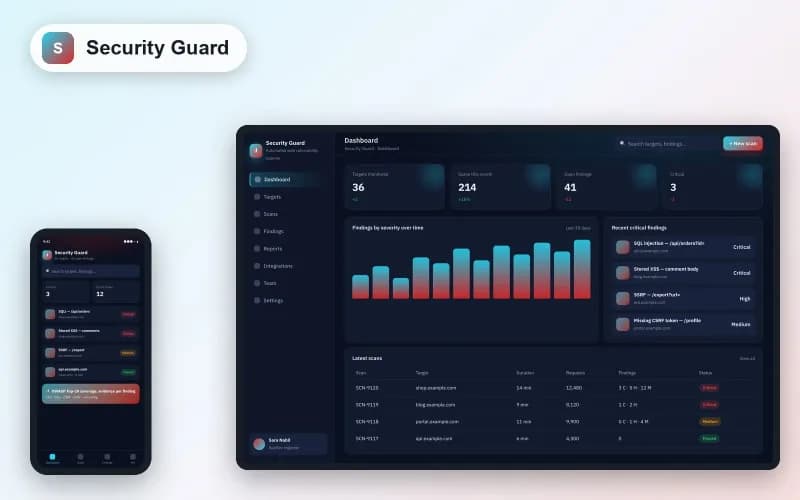
- Periodic Security Scans: Utilizing tools like Security Guard Scanner to conduct automated vulnerability assessments.
- Employee Training: Educating teams on cybersecurity best practices and phishing risks.
- Incident Response Plans: Having a clear plan to handle any potential security breach to minimize damage.
Practical Recommendation:
Given these rapid developments, we recommend that business owners and tech managers in the GCC and Egypt conduct a comprehensive technical audit of their current platforms. This audit should focus on scalability, security, payment and logistics integrations, and the potential for integrating AI and AR solutions. Based on the results, you can develop a roadmap for developing or updating your digital solutions, focusing on partnering with developers who have deep expertise in local and regional markets, such as Smart Lead Tech, to ensure the creation of robust and competitive products.