Escalating Data Protection and Cybersecurity in GCC & Egypt: A CTO's Strategy for Mitigating Rising Risks
As a CTO, I observe that the cybersecurity and data protection landscape in the GCC and Egypt is not just changing, but accelerating at an unprecedented pace. These issues are no longer secondary compliance requirements;…

As a CTO, I observe that the cybersecurity and data protection landscape in the GCC and Egypt is not just changing, but accelerating at an unprecedented pace. These issues are no longer secondary compliance requirements; they have become fundamental challenges demanding clear operational strategies and swift decisions. Recent news confirms that the grace period has ended, and complacency in this domain could cost companies dearly, not only financially but also in terms of reputation and trust.
News of the Week: Facts That Cannot Be Ignored
- Egypt's Personal Data Protection Law (PDPL) fully in effect: By October 31, 2026, companies will be fully bound by PDPL requirements, including obtaining licenses, appointing a Data Protection Officer (DPO), and reporting data breaches within 72 hours, with fines up to EGP 5 million (according to Baker McKenzie and Youm7).
- Saudi Arabia sees strong PDPL enforcement wave: SDAIA announced 48 enforcement decisions in January 2026, confirming mandatory compliance, with fines up to SAR 5 million per violation and a 5-day deadline to respond to breach notifications (according to AI HR Daily and Out2Sol Global).
- Cyberattack hits major Saudi construction company: A company involved in World Cup 2034 projects suffered an attack leading to the theft of over 1.5 million files, including personal data of 150,000 employees, by the 'Wall Street' cybercrime group (according to The National and Hackmanac).
- $2 million cyber fraud scheme targets GCC government payment portals: Group-IB uncovered a scheme that exploited stolen credit cards to settle government fees at a discount, bypassing 3D Secure verification (according to Group-IB and Menafn).
- AI governance gap emerges as biggest cybersecurity challenge in GCC: Experts warn that the rapid adoption of AI outpaces the development of necessary governance and oversight structures, leading to 'Shadow AI' and significant security risks (according to Computer Weekly).
Analysis: No Longer Just a Compliance Headache
These news items are not just fleeting headlines; they are clear signals that we have entered a new phase. Compliance with data protection laws like the Egyptian and Saudi PDPL is no longer optional, but an urgent necessity. Companies that believe they can postpone these investments will find themselves facing hefty fines, or worse, losing customer trust and market reputation.
Cyberattacks, meanwhile, have become more sophisticated and targeted. The breach of a major Saudi construction company working on massive national projects, and a fraud scheme targeting government payment portals, demonstrates that attackers are not only targeting financial data but also critical infrastructure and government transactions. This requires us to view cybersecurity as an integral part of business strategy, not just an additional cost.
“Shadow AI” is not just a new tech term; it represents a real challenge to data governance and cybersecurity. When employees use AI tools without oversight, they inadvertently open backdoors to risks.
Saudi Arabia's first-place ranking globally in the ICT Development Index (IDI) for 2026 (according to Al Watan Newspaper), and Egypt's plans for a 'technological revolution' in smartphone manufacturing and AI (according to the State Information Service), provide fertile ground for innovation and growth. However, this advanced digital environment also brings greater responsibilities in data protection and system security.
Crucial Decisions for CTOs and Business Owners
In light of these developments, every CTO and business owner in the GCC and Egypt must make immediate strategic decisions. Here's a practical roadmap:
1. Intensive Investment in Data Protection Compliance
- Comprehensive System Review: Ensure all systems and products, especially those handling user data, are fully compliant with Saudi and Egyptian PDPL. This includes consent mechanisms, secure storage, data processing, and the ability to respond to data subject requests. For platforms like SLT OCR which handles KYC data, or Women Health which deals with sensitive data, this review must be a top priority.
- Appointing and Training Specialists: Appointing a qualified Data Protection Officer (DPO) and training legal and technical teams on compliance requirements has become essential.
- Breach Notification Mechanisms: Build and test clear mechanisms for reporting any data breaches within the stipulated timeframe (72 hours in Egypt, 5 days to respond in Saudi Arabia).
2. Proactive Strengthening of Cyber Defenses
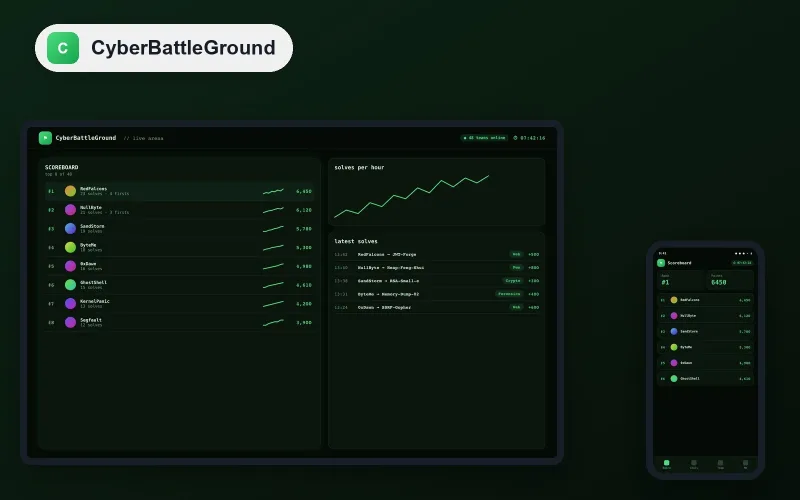
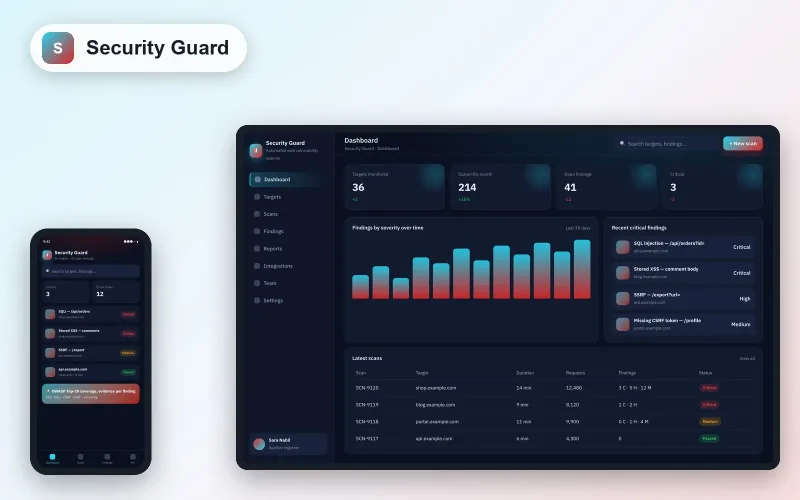
- Continuous Risk Assessment: A one-time security assessment is not enough. A continuous approach to vulnerability assessment and penetration testing must be adopted. Products like Security Guard Scanner can provide automated vulnerability scanning, and platforms like CyberBattleGround for team training.
- Critical Infrastructure Protection: Companies operating in sensitive sectors (e.g., construction, energy, payments) must adopt advanced industrial cybersecurity solutions, leveraging initiatives like the Fortinet-Aramco MoU (according to Security Systems News).
- Digital Transaction Security: Payment solution developers, such as for TtaKkaa Customer App, must ensure the implementation of multi-factor authentication, advanced fraud monitoring, and protection of customer data from phishing attacks and eSIM swapping.
3. AI Governance and Security
- AI Usage Policies: Establish clear policies for AI tool usage within the organization and educate employees about the risks of 'Shadow AI'.
- Security by Design in AI Solutions: When developing AI-powered products, such as Kaleem - AI-Powered Speech Therapy for Kids or Diabetes Vision Detector, security and privacy controls must be integrated from the initial design phases.
- Monitoring and Auditing AI Usage: Utilize tools to monitor how AI is being used to ensure compliance and mitigate risks.
Conclusion: An Opportunity for Excellence, Not Just Compliance
The current cybersecurity and data protection landscape is not merely a burden; it is an opportunity for excellence. Companies that adopt robust strategies in these areas will not only protect themselves but also build greater trust with their customers and partners, enhancing their competitiveness in a growing digital market. At Smart Lead Tech, we see this as a call to develop secure and compliant software solutions by design, because a secure digital future is a prosperous future.