Evolving Tech Talent Market: An Executive Checklist for GCC and Egypt Leaders
The tech talent market in the GCC and Egypt is undergoing rapid transformations, driven by global AI innovation while simultaneously shaped by local policies aimed at fostering nationalization and skill development. This…

The tech talent market in the GCC and Egypt is undergoing rapid transformations, driven by global AI innovation while simultaneously shaped by local policies aimed at fostering nationalization and skill development. This dynamic creates a complex environment requiring executives and tech leaders to re-evaluate their strategies. It's not just about hiring; it's about building capabilities, developing products, and ensuring operational efficiency in an era where the rules of the game are changing.
From This Week's News
- Microsoft offered a voluntary departure program to approximately 60,000 employees globally, about 7% of its U.S. workforce, a move partly attributed to accelerated AI adoption and job restructuring (according to Arabian Business and Al Jazeera Net).
- The Saudi Ministry of Human Resources and Social Development announced an increase in the minimum wage for Saudi employees to be fully counted in the "Nitaqat" nationalization program to SAR 5,000 starting April 2027, and to SAR 6,000 in April 2028 (according to Maaal and Al Arabiya Net).
- The First GCC Labor Market Skills Forum in Doha recommended a unified GCC strategy for skills development to keep pace with technological transformations and enhance national competencies for future jobs (according to Qatar News Agency (QNA)).
- Egypt is exploring leveraging Singapore's experience in integrating AI and robotics into technical education to update curricula and prepare graduates for the job market (according to Al Mal News).
- Jordan is expanding partnerships with the UAE and Saudi Arabia to enhance AI and cybersecurity, and to develop digital transformation and 5G networks (according to Annahar).
Analysis: Balancing Opportunity and Challenge
These news items indicate we are at a crucial crossroads. On one hand, AI is driving giants like Microsoft to fundamental restructuring, implying traditional skills are rapidly eroding. On the other hand, our region's nations are actively building local capabilities, whether through raising wages to boost Saudi nationalization, technical education initiatives in Egypt, or unified GCC strategies for skill development. How can your company navigate this changing landscape?
"AI is not replacing humans; it's empowering humans to achieve more. The challenge lies in preparing our teams for this revolution, not resisting it."
1. Re-evaluate Your Talent Strategy
With Microsoft's AI-driven layoffs, every executive must ask: Is our team ready for the AI revolution? This doesn't necessarily mean workforce reduction but rather redirection. Arab software companies, like Smart Lead Tech, can leverage these global shifts to attract talent seeking new opportunities or invest in reskilling their existing teams.
- Continuous AI Training: Invest in intensive training programs for your engineering teams on AI tools and methodologies. Products like Kaleem (AI-powered speech therapy) and SLT OCR (computer vision data extraction) require specialized teams.
- Identify Future Skills: What technical skills will be critical in the next five years? Cybersecurity and AI are regional priorities (as indicated by news from Jordan, UAE, and Saudi Arabia), so they must be at the core of your talent development plans.
2. Adapt to Nationalization Costs and Wage Structures
Saudi Arabia's decision to raise the minimum wage in Nitaqat is a clear indicator of a shift towards enhancing the quality of nationalization. This means hiring Saudi competencies will require a greater investment, but it also opens doors to more committed and stable national talent.
- Review Salary Structures: Conduct a comprehensive evaluation of current and future salary structures, especially in Saudi Arabia. Does your budget align with the new directives?
- Invest in National Talent Development: To ensure that investment in higher wages pays off, Arab software companies must ensure Saudi talent has real opportunities for growth and leadership. Dedicated training programs and partnerships with educational institutions (as recommended by the GCC Forum) can be crucial.
3. Leverage Government Skill Development Initiatives
Whether it's the job opportunities provided by the Egyptian Ministry of Manpower, Egypt's plans to integrate AI into technical education, or the unified GCC strategy for skill development, there is significant governmental momentum supporting tech talent. This represents a golden opportunity for companies like Smart Lead Tech.
- Partnerships with Educational Institutions: Collaborate with universities and technical education institutes in Egypt and the GCC to align curricula with industry needs. This can include workshops, summer internship programs, or even contributing to educational content development.
- Participate in Government Employment Programs: Utilize government-run employment platforms to access a broad base of job seekers. In Egypt, for instance, these initiatives can provide opportunities to attract fresh graduates.
4. Focus on AI and Cybersecurity as Strategic Pillars
The increasing focus on AI and cybersecurity in Jordan, supported by the UAE and Saudi Arabia, is not an isolated case but reflects a regional priority. These areas are not just add-on features; they are competitive and security necessities.
- Integrate AI at the Core of Products: Consider how to embed AI into your current and future products to increase efficiency and provide unique value. In platforms like Real Estates Matcher or Darb Traffic, AI plays a pivotal role.
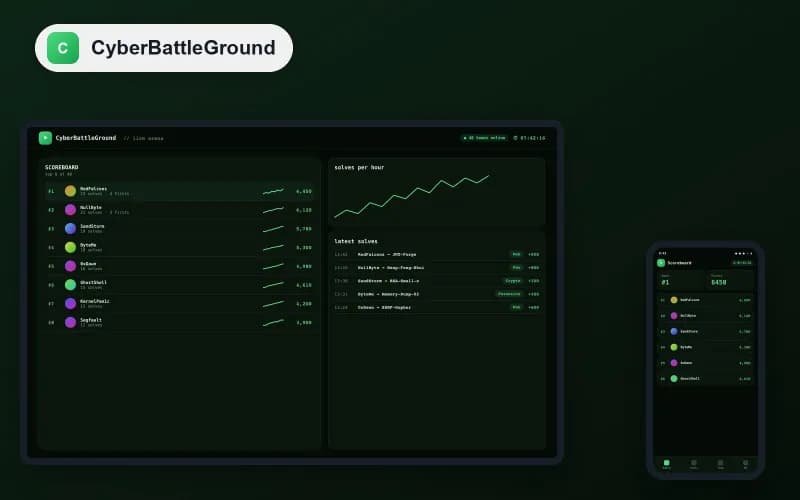
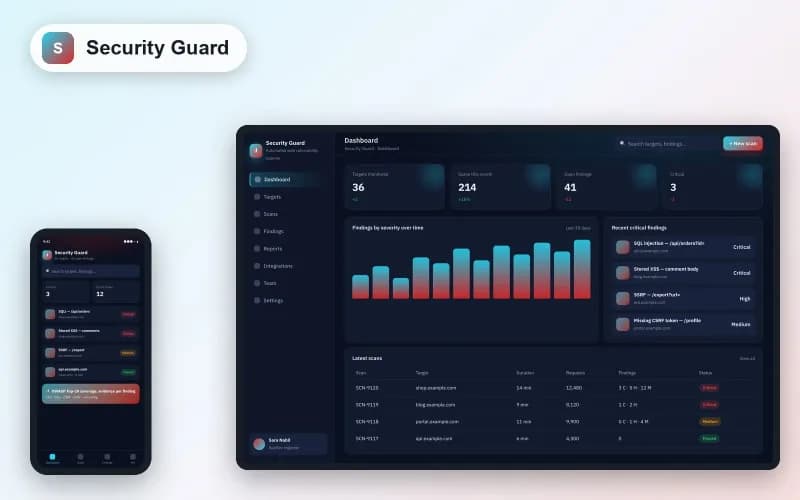
- Enhance Cybersecurity Capabilities: Invest in cybersecurity not only as protection for your company's and clients' data but also as a service you can offer. Products like CyberBattleGround and Security Guard Scanner highlight the importance of this field.
Actionable Recommendation: A Roadmap for 2027
Given these transformations, executives and tech leaders in the GCC and Egypt must adopt a flexible and proactive roadmap:
- Annual "AI Readiness" Review: Conduct a comprehensive assessment of your team's and products' readiness to adopt the latest AI technologies. Identify gaps and plan for training and redirection.
- Develop Internal Nationalization Programs: Beyond complying with minimum wage requirements, design clear professional development programs for national talent to enhance their loyalty and productivity.
- Forge Strategic Partnerships: Actively engage with government and educational initiatives for skill development, and be a partner in building the next generation of tech competencies.
- Invest in AI and Cybersecurity R&D: Allocate a portion of your budget to research and development in these areas to ensure your company remains at the forefront of innovation.
Today's tech talent market is not just a place for hiring; it's a strategic battleground demanding clear vision and rapid adaptability. Companies that invest in developing their teams, adopting emerging technologies, and intelligently interacting with the regulatory environment will be tomorrow's leaders.