GCC and Egypt Tech Job Market: Recruitment and Training Strategies Amidst Global and Local Paradoxes
The tech job market in the GCC and Egypt is experiencing rapid transformations, driven by massive government investments in digital transformation and the increasing adoption of artificial intelligence. Simultaneously, t…

The tech job market in the GCC and Egypt is experiencing rapid transformations, driven by massive government investments in digital transformation and the increasing adoption of artificial intelligence. Simultaneously, these markets are influenced by global dynamics such as widespread layoffs and the restructuring of job roles. This dual landscape presents unique challenges and opportunities for business owners and tech managers in the region, demanding flexible and well-thought-out strategies to build competitive and innovative teams.
This Week's News
- Egypt Expands AI and Cybersecurity Training Programs: Egypt has trained 10,485 university students in eight vital technical specializations through a government-supported summer program in 2026, aiming to enhance the digital workforce (according to Vertex AI Search).
- Varying Software Engineer Salaries in Saudi Arabia: Data for 2026 shows a disparity in average software engineer salaries, with 80% ranging between 7,831 and 22,263 Saudi Riyals per month (according to Ajel Jobs).
- UAE Sees High Demand for Tech Talent and Stricter Emiratisation Rules: The UAE tech job market faces high demand for skilled labor, with AI increasingly impacting job roles and stricter rules for nationalization (Emiratisation) (according to SaviorHire).
- Global Tech Layoffs Exceed 163,000 Jobs in 2026, AI a Key Factor: Global tech companies announced 163,427 layoffs since the beginning of 2026, with AI being a factor in 91,215 of these reductions (according to ETHRWorld.com).
- Saudi Arabia's Tech Job Market Active with High Demand for Specialized Roles: Government spending and Vision 2030 are driving the Saudi tech recruitment market towards intense demand for roles in cybersecurity, cloud engineering (DevOps), AI/Machine Learning, and data engineering (according to HiringJet).
- Egypt Aims to Create 200,000 Jobs in ICT Sector by 2030: The "Digital Egypt" initiative aims to provide 200,000 job opportunities and enable 250 startups to access markets by 2030 (according to eXtra News).
- Increasing Remote Work Opportunities in the UAE: Thousands of remote jobs are available in the UAE in October 2026, offering access to a wide range of talent (according to Arc, RemoteOnly, Bayt.com, Indeed, ZipRecruiter).
- Most In-Demand Tech and Soft Skills for 2026: Required skills include data analysis, AI tool proficiency, cybersecurity, in addition to critical thinking, problem-solving, and continuous learning (according to Mahareen).
Market Analysis: Regional Growth Amidst Global Restructuring
This week's news paints a contradictory picture of the tech job market. On one hand, Egypt, Saudi Arabia, and the UAE are experiencing significant growth in demand for tech talent, driven by substantial government investments in digital transformation, Saudi Vision 2030, and Egypt's Digital Egypt initiative. On the other hand, the global tech sector is undergoing a wave of extensive layoffs, with AI alone contributing to the loss of over 91,000 jobs globally in 2026 (according to ETHRWorld.com).
This paradox creates a complex environment for business owners and tech managers in the region. While competition for specialized local talent is intensifying, there are also opportunities to recruit global expertise affected by layoffs, especially with the rise of remote work opportunities in markets like the UAE (according to Arc and other sources).
«AI is not just a tool for efficiency; it's a catalyst for redefining job roles, requiring companies to fundamentally re-evaluate their recruitment and training strategies.»
Data indicates that technical skills such as AI, cybersecurity, and cloud engineering are most in demand in Saudi Arabia (according to HiringJet), while Egypt is heavily investing in training thousands of its graduates in these fields (according to Vertex AI Search). This alignment between local supply and demand represents a strategic opportunity for software companies.
Strategic Decisions for Business Owners and Tech Managers
1. Invest in Local Talent Development
With intensive government training programs in Egypt (according to Vertex AI Search) and increasing demand for specialized skills in Saudi Arabia (according to HiringJet), investing in local talent is crucial. Arab software companies can leverage these competencies to reduce recruitment costs and enhance competitiveness. For example, platforms like Kaleem — AI-Powered Speech Therapy for Kids or Darb — AI Traffic-Incident Management System, which rely on AI, can benefit from trained graduates in Egypt to strengthen their development teams.
2. Adopt Hybrid and Remote Work Models
The increase in remote work opportunities in the UAE (according to Arc and other sources) offers significant flexibility for companies to access a wider pool of talent without geographical constraints. Companies like Smart Lead Tech, operating in both Egyptian and Saudi markets, can adopt hybrid work models to benefit from competencies in both countries, taking into account varying salary ranges across different markets (according to Ajel Jobs).
3. Reskill and Upskill the Existing Workforce
With AI's impact on global layoffs (according to ETHRWorld.com) and the focus on in-demand technical and soft skills for 2026 (according to Mahareen), companies must invest in retraining their current employees. This includes enhancing their skills in data analysis, AI tools, and cybersecurity, as well as soft skills like critical thinking and continuous learning.
4. Emiratisation and Compliance Strategies
In the UAE, where Emiratisation rules are becoming stricter (according to SaviorHire), companies must integrate these strategies into their hiring plans. This means investing in training and developing Emirati talent to ensure compliance with regulations and enhance the company's local market position. Software companies can design tailored training programs that align with Emiratisation needs, focusing on specialized tech roles.
5. Focus on High-Demand Specialized Roles
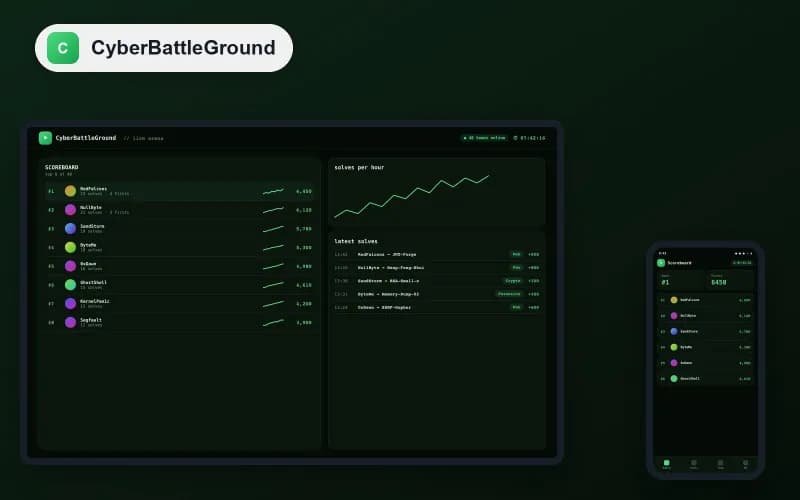
The Saudi market shows high demand for specialized roles in cybersecurity, cloud engineering (DevOps), and AI/Machine Learning (according to HiringJet). Arab software companies should direct their recruitment strategies towards these areas and develop specialized solutions to meet client needs in these sectors. For instance, products like CyberBattleGround — Capture-The-Flag Platform or SLT OCR — Arabic-first Document Data Extraction directly benefit from these specialized skills.
Practical Recommendation: Building Agile, Future-Ready Teams
In this dynamic landscape, we recommend that business owners and tech managers in the GCC and Egypt adopt a multifaceted strategy focused on agility and adaptability. This strategy should include:
- Fostering a Culture of Continuous Learning: To ensure that teams remain equipped with the latest technical and soft skills.
- Balancing Local and Global Recruitment: To leverage available competencies in Egypt and Saudi Arabia while exploring remote work opportunities to attract global talent.
- Investing in Internal AI Solutions: To enable current employees to perform tasks more efficiently, reducing the need for roles that AI can replace.
- Partnering with Educational and Training Institutions: To support local talent development programs and contribute to building a new generation of tech specialists.
Adapting to these changes will not be an option, but a necessity to ensure continued growth and innovation in the region's tech job market.