Heightened Cybersecurity and Data Protection: An Executive Checklist for GCC and Egypt Leaders
The digital landscape in the GCC and Egypt is undergoing rapid transformations, demanding continuous vigilance and decisive strategic decisions from executive leaders and technical managers. Between new data protection r…

The digital landscape in the GCC and Egypt is undergoing rapid transformations, demanding continuous vigilance and decisive strategic decisions from executive leaders and technical managers. Between new data protection regulations, escalating cyberattacks, and emerging AI-driven threats, safeguarding digital assets and ensuring regulatory compliance have become paramount priorities, not mere optional add-ons.
News of the Week
- Saudi Arabia Opens Consultation on Personal Data Protection Law (PDPL) Amendments: The Saudi Data and AI Authority (SDAIA) announced proposed amendments to the PDPL Executive Regulations, including requirements for data localization within the Kingdom, responding to data subject requests within 30 days, notifying SDAIA of data breaches within 72 hours, and appointing a Data Protection Officer (DPO) for certain entities (according to Pinsent Masons).
- UAE Counteracts 750,000 Cyberattack Attempts on Vital Sectors: The UAE government's Cyber Security Council detected and thwarted approximately 750,000 cyberattack attempts targeting vital sectors, including AI-powered attacks (according to Emirates News Agency (WAM)).
- SAMA Cybersecurity Framework 2026: Compliance Requirements for Saudi Financial Institutions: The Saudi Central Bank's (SAMA) Cybersecurity Framework (CSF) remains the primary regulatory reference for financial institutions. SAMA's 2026 expectations have evolved to align with international standards such as ISO/IEC 27001:2022 and the NIST Cybersecurity Framework 2.0 (according to CISO Consulting).
- Global Warning on Critical PHP Vulnerabilities: Government agencies and tech entities worldwide entered a state of cybersecurity alert after the discovery of two critical security vulnerabilities in PHP, a widely used programming language. The U.S. National Security Agency (NSA) warned of exploitation risks and urged immediate system updates or temporary isolation (according to Al Masry Al Youm).
- Egypt Identifies 5 Pillars for Digital Sovereignty, Including Cybersecurity and Data Protection: Egypt's Minister of Communications and Information Technology, Eng. Raafat Hendy, affirmed that achieving digital sovereignty relies on five main pillars: sovereign infrastructure, cybersecurity, AI, and data protection, with plans to establish 5-7 mega data centers by 2030 (according to Al Nahar Al Masryia newspaper).
These developments are not just fleeting news items; they are strong indicators of the necessity to re-evaluate cybersecurity and data protection strategies within every organization. So, what decisions should an executive make now?
Executive Checklist for Cybersecurity and Data Protection
1. Strengthen Data Governance and Regulatory Compliance
With PDPL amendments in Saudi Arabia and the SAMA CSF 2026 framework, it's clear that compliance is not an option but a necessity. Companies should begin with a comprehensive review of their current data protection policies.
- Data Localization: Do your data hosting strategies and cloud infrastructure align with new data localization requirements in Saudi Arabia and Egypt? This may require re-evaluating cloud service provider contracts.
- Data Protection Officer (DPO): Does your organization need to appoint a DPO? Entities subject to this requirement must be identified, and necessary training provided or external experts engaged.
- Incident Response Procedures: Review and update data breach response plans to ensure the ability to notify regulatory bodies, such as SDAIA, within 72 hours, and handle data subject requests within 30 days.
- International Standards Integration: For financial institutions, ensure that software solutions and security systems comply with the updated SAMA CSF 2026 standards, which align with ISO/IEC 27001:2022 and the NIST Cybersecurity Framework 2.0.
"Cybersecurity is no longer just a technical issue; it is an integral part of corporate governance and executive leadership responsibility. Failure to comply can lead to severe financial losses and a significant blow to reputation."
2. Invest in Advanced Cybersecurity Solutions
Cyber threats are evolving rapidly, as demonstrated by the UAE's thwarted attacks, critical global PHP vulnerabilities, and Saudi Arabia's "Tarah AI" campaign. Investing in modern defenses is crucial.
- AI-Powered Detection and Response Solutions: Evaluate and implement security solutions that leverage AI for proactive threat detection and rapid response, especially as attackers are also using AI.
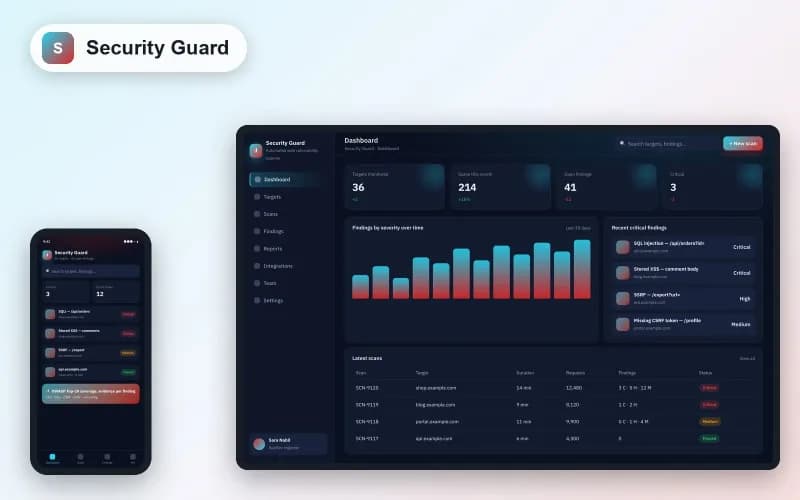
- Vulnerability Management: With the warning about critical PHP vulnerabilities, an immediate mechanism must be established to apply security patches and regularly update all systems and software. Products like Security Guard Scanner can help in automatically detecting such vulnerabilities.
- Awareness of New Threats: Companies must educate their employees about the risks of deepfakes and synthetic content, and how to verify information authenticity, in line with the "Tarah AI" campaign.
- Sovereign Infrastructure: In Egypt, the focus on mega data centers indicates a preference for local solutions. Egyptian and GCC companies operating in Egypt should evaluate local hosting options to enhance digital sovereignty.
3. Build Internal Capabilities and Localize Expertise
The region is moving towards strengthening its self-reliance in cybersecurity, which requires companies to invest in their teams.
- Technical Team Training: Provide continuous training for development and security teams on the latest security practices, compliance standards, and AI technologies in security.
- Participation in Regional Events: The CYBER G7 conference in Kuwait offers an excellent opportunity to network with experts and learn about the latest trends and solutions. Participation contributes to building expertise and partnerships.
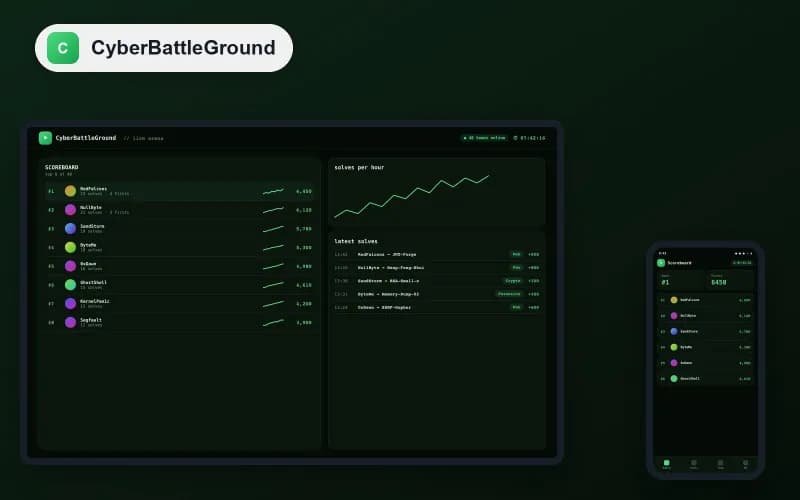
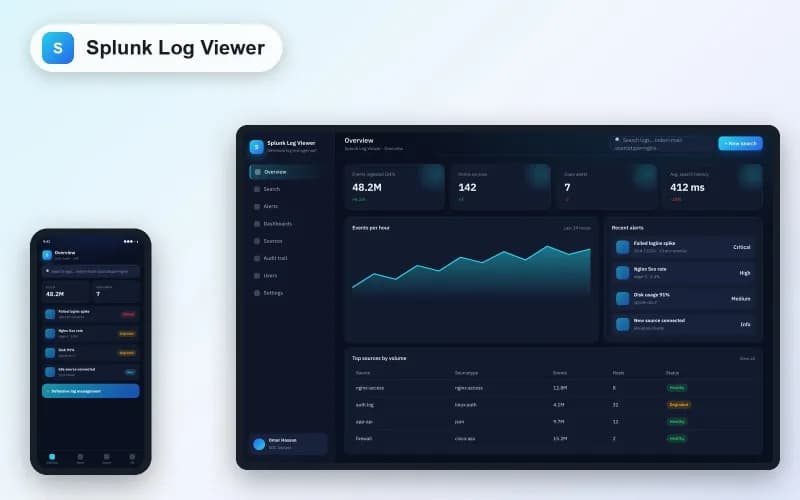
- Partnerships with Specialists: If internal capabilities are insufficient, partnering with specialized cybersecurity software companies, such as Smart Lead Tech, can provide tailored compliance and protection solutions, as seen in platforms like CyberBattleGround for team training or Splunk Log Viewer for security log management.
Conclusion: A Strategic Imperative, Not a Competitive Advantage
Cybersecurity and data protection are no longer an additional competitive advantage; they have become essential prerequisites for business continuity and success. Executives must adopt a proactive mindset, not merely reacting to threats but anticipating them, and integrating security at the core of every process and product. This checklist should serve as a starting point for a comprehensive evaluation, followed by the implementation of a clear action plan, to ensure a secure and reliable digital future for your organization in the GCC and Egypt.